Does Your Current Policy Still Work? Why 2026 Insurance Regulation Updates Really Matter
- gabeinsurancesolut
- May 14
- 5 min read
It’s May 2026, and if you’ve opened your mail lately, you’ve probably noticed that insurance isn’t what it used to be. Whether you’re a family in a quiet suburb or a small business owner navigating the busy Texas streets, the rules of the game have shifted.
We’ve seen more regulatory changes in the last 18 months than we did in the previous five years combined. Why? Because the world is getting riskier, and the systems we use to protect ourselves had to catch up.
At Eagle-Watch Solutions, we believe in keeping things simple. You shouldn’t need a law degree to understand if your house is covered or if your business is protected. Today, we’re breaking down why these 2026 updates actually matter for your wallet and your peace of mind.
The Big Picture: Why 2026 Is a Turning Point
For a long time, insurance was fairly predictable. You paid your premium, and if something went wrong, the company stepped in. But as we’ve moved into 2026, regulators have realized that the "old way" left too many people in the dark.
The updates we’re seeing this year are designed around three main pillars: Transparency, Documentation, and Accountability.
Insurance companies (or "carriers") are now required to show their work. They can’t just raise your rates or cancel your policy without a clear, written explanation. This is a massive win for the consumer, but it also means your current policy might be "out of date" simply because it doesn't align with these new protection standards.
Texas Spotlight: New Rules for Cancellations and Declines
Since January 1, 2026, Texas has taken a firm stand on how insurance companies treat their customers. If you are a business owner or a homeowner in the Lone Star State, this is the most important update you need to know: The "Because We Said So" era is over.
Carriers are now mandated to provide specific, written reasons for any decline, cancellation, or non-renewal. This data is also being tracked by ZIP code. This prevents companies from quietly pulling out of specific neighborhoods without anyone noticing.
If you’ve received a notice that your policy is ending, don’t panic. Under the 2026 rules, you have more rights to contest that decision than ever before. If you're feeling overwhelmed by the changes, our guide to small business insurance in Texas can help you navigate the basics.

The AI Factor: Who Is Actually Underwriting Your Risk?
One of the biggest shifts in 2026 involves how insurance companies use technology. Most carriers now use third-party AI tools to decide how much you should pay. These tools look at everything from your credit score to how many storms have hit your street in the last decade.
However, the 2026 NAIC (National Association of Insurance Commissioners) update has put these tools under a microscope. Regulators are now asking: Is the AI being fair?
If your policy was written using an older algorithm that didn't account for these new fairness standards, you might be overpaying: or worse, you might have gaps in coverage that you don't even know about. For a deeper dive into this, check out our post on why third-party underwriting tools are being watched.
What Small Business Owners Need to Watch
If you run a business, 2026 has brought a new phrase into the spotlight: Resilience-Based Metrics.
In the past, your commercial premium was mostly based on your industry and your revenue. Now, carriers are looking at how "hardened" your business is against risk. Did you install a smart water-leak detection system? Is your cybersecurity up to 2026 standards?
The good news? These updates are actually lowering premiums for business owners who take risk management seriously. Instead of just paying a flat fee, you’re getting a "data dividend" for being a responsible owner. We've seen local Texas businesses save significantly by just making a few small tactical updates to their operations. You can read more about how resilience-based metrics are lowering premiums here.

Quick Takeaways: Is Your Policy Still "Working"?
How do you know if your 2025 policy is still valid in this new 2026 world? Here is a quick checklist:
The Transparency Test: Does your renewal notice clearly show your previous premium versus your new premium? (New laws in states like Louisiana and Texas are pushing for this clarity).
The Liability Test: If you have auto insurance, does it meet the new 2026 minimums? Some states, like New Jersey, have raised their liability requirements significantly this year. Texas often follows these trends, so checking your limits is vital.
The Notice Period: Are you getting at least 60 days' notice before a change? Several 2026 regulations have extended the window carriers must give you before they cancel a policy.
The "Why" Factor: If your rate went up, did the company explain why in plain English? If not, they might be out of compliance with new transparency rules.
Why documentation is your new best friend
In 2026, "I thought I was covered" isn't a strategy. Carriers are being held to higher documentation standards, which means you should be, too.
Whether it's for a home claim or a business liability issue, the 2026 regulation updates have made the claims process much more structured. If you have the right records, the new laws force the insurance company to process your claim faster. If you don't, the new "auditable trail" requirements might actually slow you down.
Taking an afternoon to organize your digital insurance folder isn't just a chore: it’s a financial strategy. We often tell our clients that a simple afternoon can fix most business coverage mistakes.
Looking Ahead: What’s Coming in the Second Half of 2026?
We aren't done with changes yet. By July 2026, we expect to see:
Extended Notice Requirements: More states are moving toward a mandatory 60-day notice for any policy changes.
Wildfire Model Transparency: If you have property in high-risk areas, carriers will likely have to disclose exactly how they calculated your fire risk score.
Climate-Risk Adjustments: Expect to see new "disaster-hardened" discounts become standard across major carriers.
How to Stay Protected Without the Stress
Keeping up with every tiny regulation update is a full-time job. (Luckily, it's our full-time job). The most important thing you can do right now is stay curious. Don't just auto-pay your renewal and hope for the best.
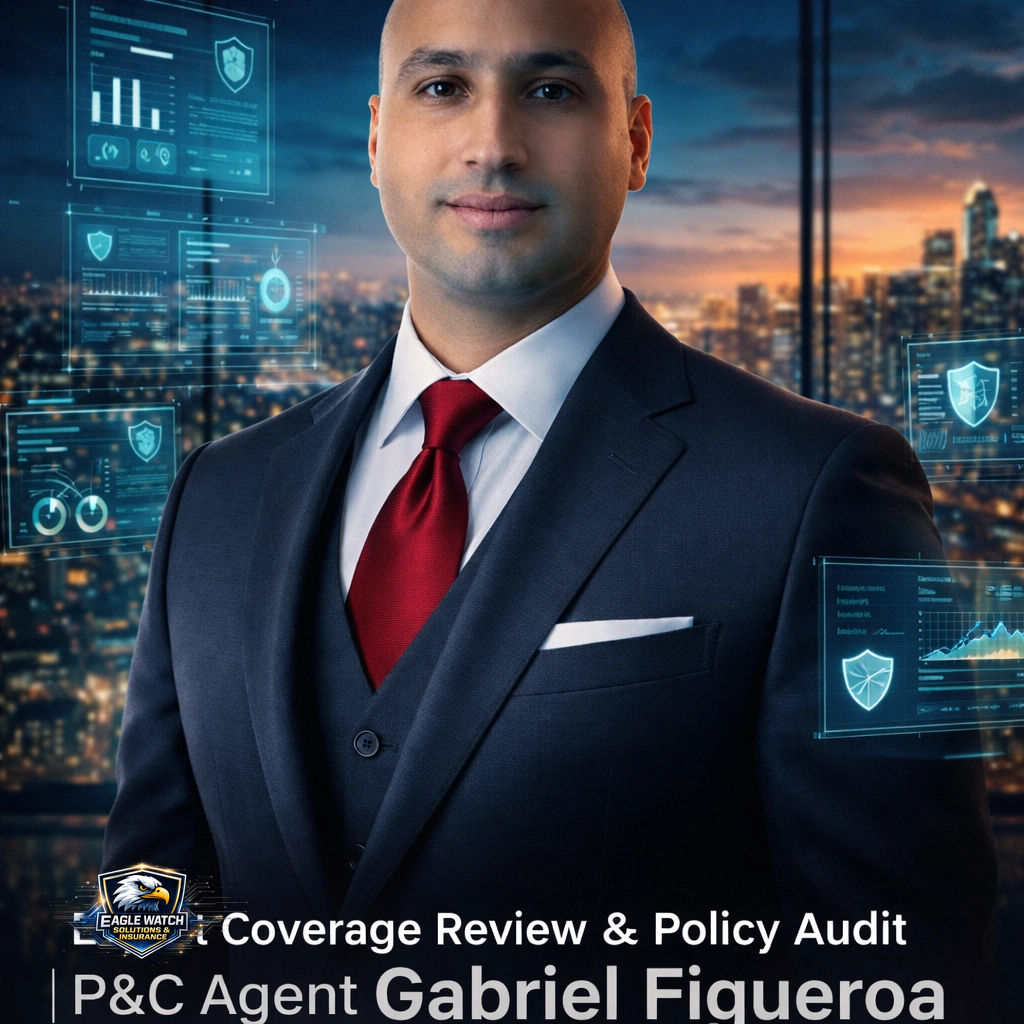
At Eagle-Watch Solutions, we are here to be your eyes on the horizon. Gabriel Figueroa and our entire team are dedicated to ensuring that families and business owners in our community aren't left behind by these rapid industry shifts.

Your Next Steps
Get a Free Coverage Review: Let a professional look at your current policy to see if it meets the 2026 standards.
Get Quoted Today: If your current carrier hasn't updated their terms to reflect these new consumer protections, it might be time to look elsewhere.
Stay Informed: Keep an eye on our morning insights for quick, 3-minute breakdowns of what’s happening in the P&C world.
Insurance is changing, but that change is designed to give you more power as a consumer. By understanding these 2026 regulation updates, you can move from being "covered" to being truly "protected."
To learn more about how we can help you secure your world, visit us at www.eaglewatchsolutions.com.
Comments