The Data Dividend: How Resilience-Based Metrics are Lowering Commercial Premiums in 2026
It is Sunday morning, April 19, 2026. If you are a business owner here in Texas, you’ve likely spent the last few years watching your commercial insurance premiums climb like a Houston humidity index in July. For a long time, the conversation around insurance was pretty one-dimensional: something breaks, the insurance company pays to fix it, and then they raise your rates because something broke.
But the "Detect and Repair" era is officially sunsetting.
We have entered the age of "Predict and Prevent." In 2026, the most successful businesses aren't just buying policies; they are collecting a "Data Dividend." This is the tangible financial return: in the form of lower premiums and stabilized coverage: that comes from proving your business is resilient.
At Eagle-Watch Solutions, we’re seeing a massive shift. Carriers are no longer satisfied with a simple property survey. They want to see your data. They want to see your metrics. And if you can provide them, the savings are significant.
The Death of "Good Enough" Coverage
For decades, many business owners operated on a "good enough" basis. You had a standard policy, you did the bare minimum maintenance, and you hoped for the best.
In 2026, "good enough" is getting expensive.
Because the world feels a bit more volatile: between extreme weather patterns and complex global supply chains: carriers have become incredibly selective. If you can’t prove you are a low risk, you get lumped in with the high-risk pool. That means higher deductibles and premiums that eat into your profit margins.
On the flip side, "resilient" coverage is stabilizing. Businesses that invest in resilience-based metrics are seeing their premiums drop or, at the very least, stay flat while everyone else's goes up. This is the heart of the Data Dividend.

From Detect and Repair to Predict and Prevent
Think about the old way: a pipe leaks in your warehouse over the weekend. By Monday morning, your inventory is ruined. You file a claim, the adjuster comes out, and months later, you get a check. Your premium spikes at renewal.
The 2026 way looks different. You have real-time moisture sensors and telematics integrated into your facility. At 2:00 AM on a Sunday, an alert hits your phone (and ours). The water is shut off automatically. The damage is localized to a single floor tile.
You didn’t just avoid a claim; you generated data. When your agent shows that data to a carrier, it proves that you are a lower risk than the guy next door who doesn’t have sensors. That proof translates directly into lower overhead.
This shift is part of what people are calling "Climate Disclosure 2.0." While the name sounds like a government regulation (and there is some of that involved), the real story for small business owners is the financial benefit. It’s no longer just about "being green": it’s about being hard to break.

The Three Pillars of a Resilient Business
To capture your Data Dividend, carriers are looking for three specific things. If you can document these, you’re in a much better position for your next renewal.
1. Facility Hardening
This is the physical stuff. In Texas, this often means wind-rated roofing, impact-resistant glass, and advanced fire suppression systems. But in 2026, it also means having the data to prove these systems are maintained. A "smart" roof that monitors structural integrity during a hailstorm is worth its weight in gold when it comes to negotiating your rate.
2. Redundant Supply Chains
If your business relies on a single vendor for a critical component, you are a high risk. Carriers are now looking at your secondary and tertiary backup plans. If you can show that a disruption in one part of the world won't shut your doors, you're demonstrating the kind of resilience that earns a discount.
3. Climate Disaster Plans
It’s not enough to have a binder on a shelf that says "Disaster Plan." Carriers want to see active, living documents. How quickly can your team pivot to remote work? Do you have back-up power (like solar or industrial batteries) that keeps your sensors online when the grid goes down?
Using Telematics and Real-Time Monitoring to Your Advantage
Telematics used to be just for trucking fleets. Not anymore. Today, it’s being used for everything from monitoring the temperature of cold storage to tracking the "health" of heavy machinery.
By sharing this real-time data with your insurance partner, you are removing the guesswork from underwriting. Underwriters hate uncertainty. When you give them certainties: "Our machines are serviced every 500 hours, and here is the digital log to prove it": they reward you with better terms.
It’s a simple trade: your data for their better pricing. Most of our clients at Eagle-Watch Solutions find that the cost of installing these monitoring systems is paid for by the premium savings within the first 18 to 24 months.
Why This Matters for the Texas Market
Texas is a unique beast. We have the heat, we have the hurricanes, and we have the freezes. We also have a booming economy that doesn't have time for downtime.
For a business owner in San Antonio or Dallas, resilience isn't just a corporate buzzword. It's how you make sure you're still standing after a "once in a century" storm that seems to happen every three years now.
By focusing on these metrics, you aren't just saving money on insurance; you're building a more robust business. You’re making sure that when the unexpected happens, you are the one who stays open while your competitors are waiting for an adjuster to call them back.

Quick Takeaways for 2026
Data is Currency: Your ability to prove resilience is as valuable as your credit score when it comes to insurance.
Proactivity Wins: Installing sensors and hardening your facility pays for itself through the "Data Dividend."
The Gap is Widening: The price difference between "standard" risk and "resilient" risk is larger than it has ever been.
Transparency is Key: Working with an agent who understands how to present your data to carriers is essential.
How to Start Capturing Your Data Dividend
If you haven't looked at your policy through the lens of resilience lately, you might be leaving money on the table. The market is changing fast, and the tools available to you in 2026 are lightyears ahead of where they were just a few years ago.
You don't have to figure this out alone. Whether you’re running a volleyball club, a manufacturing plant, or a tech startup, the principles of resilience remain the same.
We recommend starting with a resilience audit. This isn't just a look at your coverage; it's a look at your operations to see where you can collect the data that carriers are currently craving.
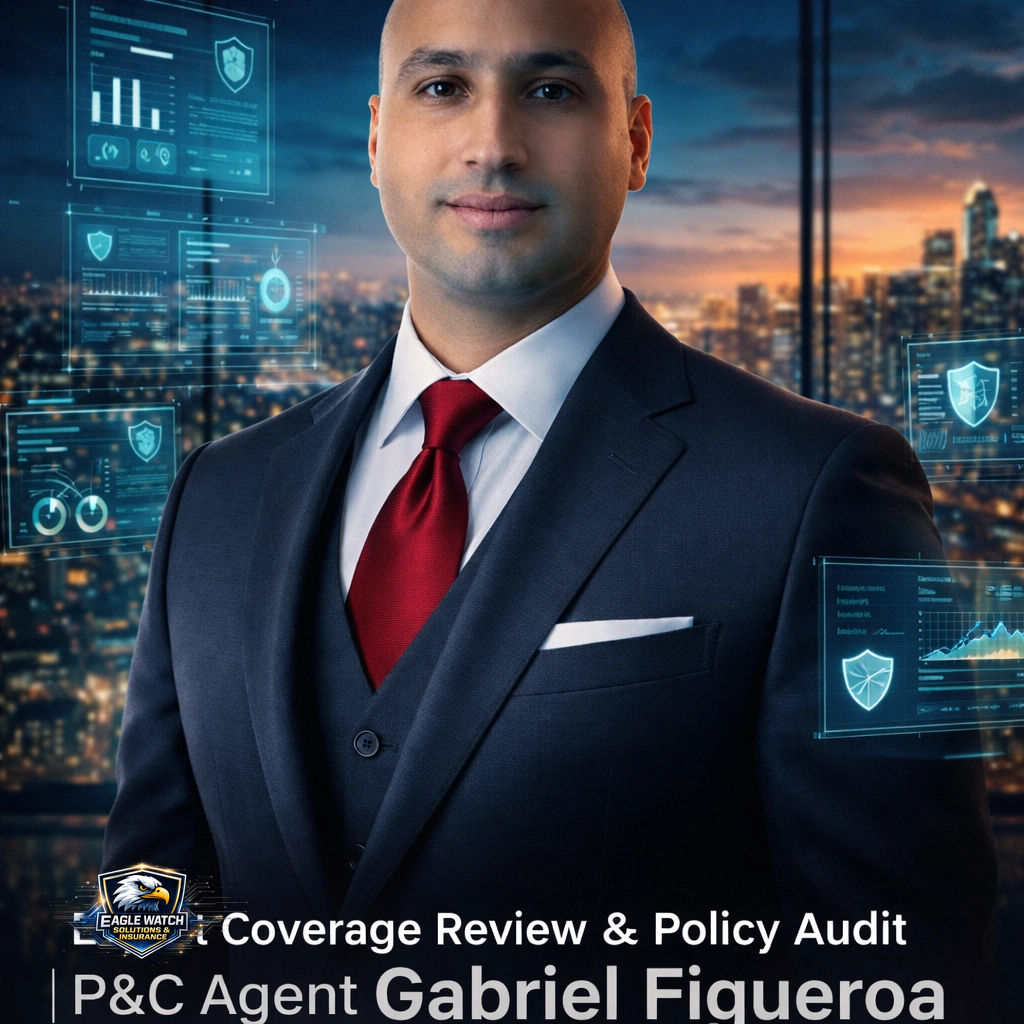
At Eagle-Watch Solutions, we specialize in helping Texas business owners navigate these new waters. We can help you identify the gaps in your "Predict and Prevent" strategy and connect you with carriers that actually reward you for your hard work.
Ready to see where you stand?
The first step is a simple review. We can look at your current setup and tell you exactly what metrics you're missing that could be lowering your premiums right now.
Get quoted today: Let’s see what the 2026 market has for a business like yours.
Free coverage review: We’ll look at your current policy and find the "resilience gaps."
For more resources on managing your risk and protecting your future, check out our guide on 5 steps to manage business risk or learn more about our specific solutions for commercial lines.
Your business works hard. It's time your insurance data started working hard for you, too.
Visit us at www.eaglewatchsolutions.com to get started.
Comments