5 Steps How to Manage Business Risk and Protect Your Family (Easy Guide for Busy Owners)
It’s Tuesday afternoon here in Texas, and if you’re like most business owners I talk to, your "to-do" list is currently three pages long. You’re balancing payroll, customer service, and maybe trying to make it to your kid’s volleyball game by 6:00 PM.
When you hear the words "risk management," it probably sounds like a boring college course or something only massive corporations need to worry about. But here’s the reality for 2026: managing risk isn’t just about insurance policies. It’s about making sure that if something goes sideways at the office, your family’s lifestyle doesn't take the hit.
Your business is the engine that feeds your family. If that engine throws a rod, the whole car stops.
Let’s break down how to bulletproof your world in five simple steps that you can actually finish between coffee breaks.
Step 1: Play the "What If" Game (Identify Your Risks)
The first step isn't about paperwork; it's about imagination. You need to look at your business and ask, "What could actually break this thing?"
Don't do this alone. Grab your lead tech, your office manager, or even your spouse. People in different roles see different cracks in the foundation. In 2026, we’re seeing three main areas where things go wrong:
The Digital Side: Every business is a tech business now. If your customer data is locked by a hacker, can you survive?
The Physical Side: This is the classic stuff. Fire, theft, or a delivery truck getting into a fender-bender on I-35.
The Climate Side: We live in Texas. We’ve got heatwaves that melt asphalt and storms that come out of nowhere. Climate risk is no longer a "maybe", it’s a "when."
If you aren't sure where to start, check out our guide on 7 risks you’re ignoring right now. It's a great cheat sheet for this brainstorming phase.
Quick Takeaway: Write down the top 10 things that keep you up at night. Don't filter them yet. Just get them on paper.
Step 2: Figure Out the "Big Ouch" (Assess and Prioritize)
Now that you have a list, you can’t fix everything at once. You’ll go crazy (and go broke) trying to insure against every tiny inconvenience. You need to rank them.
Think about two things:
Likelihood: How often does this happen? (e.g., A hail storm in North Texas is "High").
Impact: If it happens, how much does it hurt? (e.g., Losing your laptop is "Low," but a lawsuit is "High").
If a risk is "High Likelihood" and "High Impact," that’s your Tier 1 priority. This is often where climate and tech risks live. For example, climate risk in 2026 is making some properties almost impossible to cover if you don't have a strategy in place.

(Suggested Prompt: A simple 2x2 grid graphic showing 'Likelihood' on one side and 'Impact' on the other, with Texas-themed icons like a storm cloud and a computer lock.)
Step 3: Choose Your Defense (Plan Your Responses)
Once you know what’s most dangerous, you have four ways to deal with it. I call these the "Four A’s" (though one is technically a T, let’s keep it simple):
1. Avoid It
Sometimes the best way to handle a risk is to stop doing the thing that causes it. If a certain service you offer is causing 90% of your legal headaches and only 5% of your profit, just stop offering it.
2. Lower It (Reduction)
This is about safety gear. Putting in security cameras, using two-factor authentication on your email, or making sure your drivers take a safety course. You’re not getting rid of the risk, but you’re making it less likely to blow up.
3. Move It (Transfer)
This is where insurance lives. You pay a premium to move the "Big Ouch" from your bank account to the insurance company’s bank account.
In 2026, the two biggest transfers you need to look at are Cyber Liability and Strategic P&C (Property & Casualty).
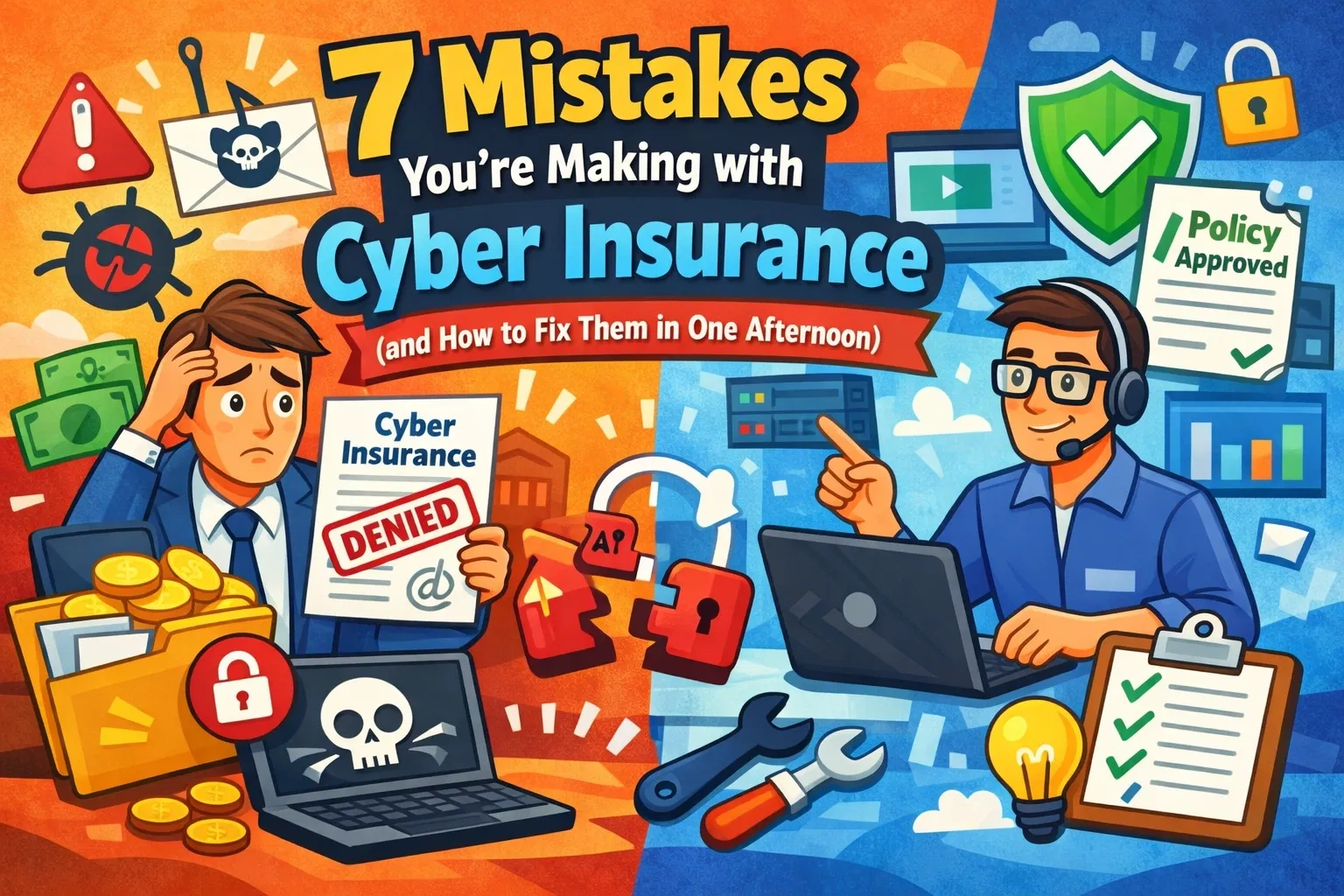
If you think your business is too small for a cyberattack, think again. The "14 trillion dollar answer" is that hackers love small businesses because they usually have weaker locks. You can read more about why cyber liability matters so much right now.
4. Accept It
Some risks are so small or so rare that it’s cheaper to just pay out of pocket if they happen. Replacing a broken office chair? That’s a "just deal with it" risk.
Quick Takeaway: Most of your family protection happens in the "Transfer" category. Getting the right insurance means your personal savings stay yours, even if the business has a bad day.
Step 4: Put the Plan to Work (Implementation)
A plan on a napkin doesn't protect anyone. You have to actually do the work.
Update your policies: Does your current insurance reflect your business today, or the business you had three years ago?
Talk to your team: If you have a new rule about how to handle customer credit cards, tell everyone.
Secure your home base: Often, business owners forget that their home and auto policies are part of the "risk stack." If you get sued because of a car accident while driving to a client meeting, is your personal auto policy enough?
We often recommend a surgical bundle approach where we look at your business and personal coverage together. It prevents gaps where a "business" problem turns into a "personal" nightmare.

Step 5: The "Oil Change" (Monitor and Review)
Risk management isn't a "one and done" thing. It’s like maintenance on your truck. If you don't change the oil, things eventually seize up.
The world changes fast. New regulations pop up, technology shifts, and the Texas weather... well, you know how that goes. Set a calendar reminder for every six months to do a quick "Policy Audit."
Ask yourself:
Did I buy new equipment?
Did I hire more people?
Did I move or expand?
Has my revenue grown significantly?
If the answer is "yes" to any of those, your old risk plan is probably outdated. You might be interested in why carrier trends are changing and how that affects your next renewal.

Why This Matters for Your Family
At the end of the day, I’m a chaplain and an advisor. I see the human side of these numbers. When a business owner isn't protected, the stress doesn't stay at the office. It comes home to the dinner table. It affects how you sleep and how you show up for your kids.
By taking these five steps, you aren't just doing "admin work." You are building a wall around your family’s future. You’re making sure that no matter what the 2026 economy or climate throws at you, you have a plan.
Your Next Steps
You don’t have to do all of this this afternoon, but you should start.
Check your current status: Look at your existing policies. Are they just "paper" or do they actually cover your 2026 risks?
Get a second set of eyes: Sometimes you’re too close to the business to see the gaps.
If you want to make sure your family and business are truly bulletproof, we’re here to help.
Get quoted today to see where your rates stand in the current market.
Request a Free coverage review to find those hidden gaps before they become "Big Ouches."
For more resources, feel free to browse our blog categories or check out our full list of posts.
Stay safe out there, Texas.
Comments