Does Cyber Liability Really Matter in 2026? The $14 Trillion Answer
If you woke up this morning and checked your email, you’ve already stepped into a digital minefield that costs the global economy more than the GDP of most nations.
By the end of 2026, cybercrime is projected to cost the world a staggering $14 trillion annually. To put that in perspective, if cybercrime were a country, it would be the third-largest economy on the planet, trailing only the U.S. and China.
For business owners in Texas, this isn't just a "tech problem" for the giants in Austin or Dallas. It’s a survival problem for everyone from the local plumber to the regional law firm.
At Eagle-Watch Solutions, we’ve seen the landscape shift. A few years ago, cyber insurance was a "nice to have." Today? It’s as fundamental as the locks on your front door. Let’s break down why that $14 trillion number matters to you and how the rules of the game have changed in 2026.
The Democratization of Risk (Or: Why Hackers Love Small Business)
There’s a common myth that hackers only go after the "Big Fish." Why bother with a small HVAC company in San Antonio when you could try to breach a national bank?
The answer is simple: automation.
In 2026, hackers aren't sitting in dark rooms typing manually. They are using sophisticated AI bots that scan millions of small business networks simultaneously. They aren't looking for the biggest prize; they’re looking for the easiest entry point.
Small businesses often have "just enough" security to feel safe but not enough to stop a modern AI-driven attack. This makes them the perfect targets. Whether you store customer credit cards, employee social security numbers, or even just a list of email addresses, you have something of value.
The Hidden Costs of a Breach
When people think about a cyberattack, they usually think about a ransom demand: a pop-up on the screen asking for Bitcoin. But that’s often the cheapest part of the ordeal.
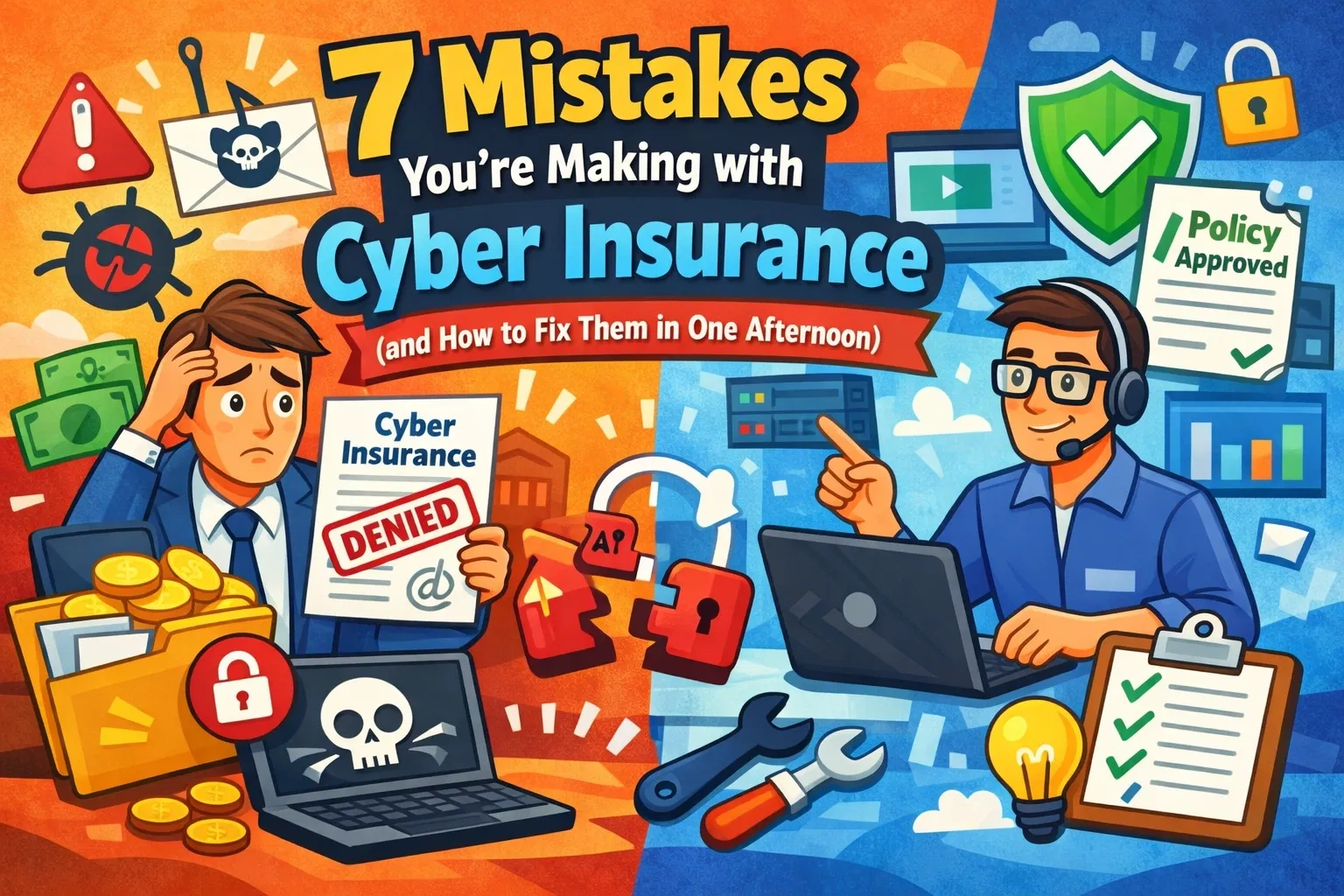
If your business is hit today, the real financial pain comes from:
Forensics: You have to hire experts to find out how they got in and if they’re still there.
Notification Laws: Texas has strict rules about notifying customers if their data is compromised. Printing and mailing those letters alone can cost thousands.
Business Interruption: If your systems are down for a week, how much revenue do you lose? For most, the answer is "too much."
Reputational Damage: Trust is hard to build and easy to lose. Once customers think their data isn't safe with you, they move to the competitor down the street.
Many owners realize too late that their standard general liability policy doesn't cover digital theft. If you're curious about where your current gaps might be, it’s worth looking into why your current coverage might be at risk under the new 2026 standards.
The 2026 Regulatory Landscape: It’s Not Just About You Anymore
Government agencies have stopped asking nicely. In 2026, we’ve seen a massive surge in mandatory data protection rules. If you handle data, you are legally responsible for it.
Furthermore, many contracts now require proof of cyber liability coverage. If you’re a vendor for a larger company or a government entity, they won't even look at your bid unless you can show a robust cyber policy. They don't want your risk becoming their risk.
This shift is part of a broader trend in how insurance is evolving this year. From new Texas surcharges to updated master regulations, staying compliant is becoming a full-time job.
AI-Enabled Threats: The New Frontier
The reason the cost of cybercrime hit $14 trillion is largely due to the weaponization of Artificial Intelligence.
Phishing emails used to be easy to spot. They had bad grammar and weird formatting. In 2026, AI can craft a perfect email that sounds exactly like your business partner, your boss, or your spouse. It can even mimic voices in "vishing" (voice phishing) attacks.
Because the threats are more sophisticated, insurance companies are becoming more selective. You can’t just "buy" a policy anymore; you have to earn it.
What Insurers Expect from You in 2026
To get a competitive rate on cyber liability insurance today, carriers expect you to have some basic "digital hygiene" in place. If you don't have these, your premiums will skyrocket, or you might be denied coverage altogether:
Multi-Factor Authentication (MFA): This is no longer optional. If you aren't using MFA on every login, you are uninsurable in the eyes of most carriers.
Endpoint Detection: You need software that monitors your devices for weird behavior in real-time.
Offline Backups: If your data is encrypted by ransomware, you need a backup that isn't connected to the network.
Employee Training: Your team is your first line of defense. Regular training on how to spot a scam is vital.
We often talk about these basics in our beginner’s guide to mastering insurance regulations. It’s not about being a tech genius; it’s about being a prepared business owner.
The "Underinsurance" Trap
A major issue we see at Eagle-Watch Solutions is the "coverage gap." A business might have a $50,000 cyber rider on their general policy, thinking they’re covered.
But in 2026, the average cost of a small business data breach is hovering around $200,000. That $150,000 gap is enough to put most local shops out of business.
Underinsurance is a quiet killer. It’s the difference between a temporary setback and a permanent "Closed" sign on your door. To avoid this, you need a policy that reflects the actual financial and operational risks of your specific industry. You can read more about why small businesses are the new big targets to see if your current limits actually match your exposure.
Quick Takeaways for 2026
The $14 Trillion Reality: Cybercrime is a massive, automated industry. You aren't being targeted personally; you're being targeted systematically.
It’s Not Just a Hack: The costs of notification, legal fees, and business interruption often outweigh the actual data loss.
Compliance is Key: New Texas regulations and contract requirements make cyber insurance a business necessity.
Hygiene Matters: MFA and backups are the "deadbolts" that allow you to get better insurance rates.
How to Move Forward Without the Stress
We know: this sounds like a lot. Insurance can feel like a maze, especially when you add the complexity of digital threats and 2026 regulations. But you don't have to navigate it alone.
At Eagle-Watch Solutions, we believe in keeping things simple. You focus on running your business; we’ll focus on watching over what matters most.
If you haven't looked at your policy in the last 12 months, chances are it’s outdated. The tech has changed, the threats have evolved, and the regulations have shifted.
We offer two easy ways to get started:
Get quoted today: Let’s see what a modern, comprehensive policy looks like for your specific needs.
Free coverage review: Send us what you have, and we’ll tell you exactly where the gaps are: no jargon, just the facts.
Don't wait until the $14 trillion problem becomes your problem. Whether you’re looking for strategic coverage guidance or just a simple way to protect your business in 5 minutes, we’re here to help.
Stay safe out there, Texas.
Comments