How to Master 2026 Insurance Regulation Updates in 5 Minutes (The Busy Owner’s Guide)
- gabeinsurancesolut
- May 13
- 5 min read
If you are running a business or managing a household in Texas, you likely have a "to-do" list that never ends. Between managing employees, keeping the family schedule on track, and trying to find a moment of peace, the last thing you want to do is read a 50-page legislative brief on insurance changes.
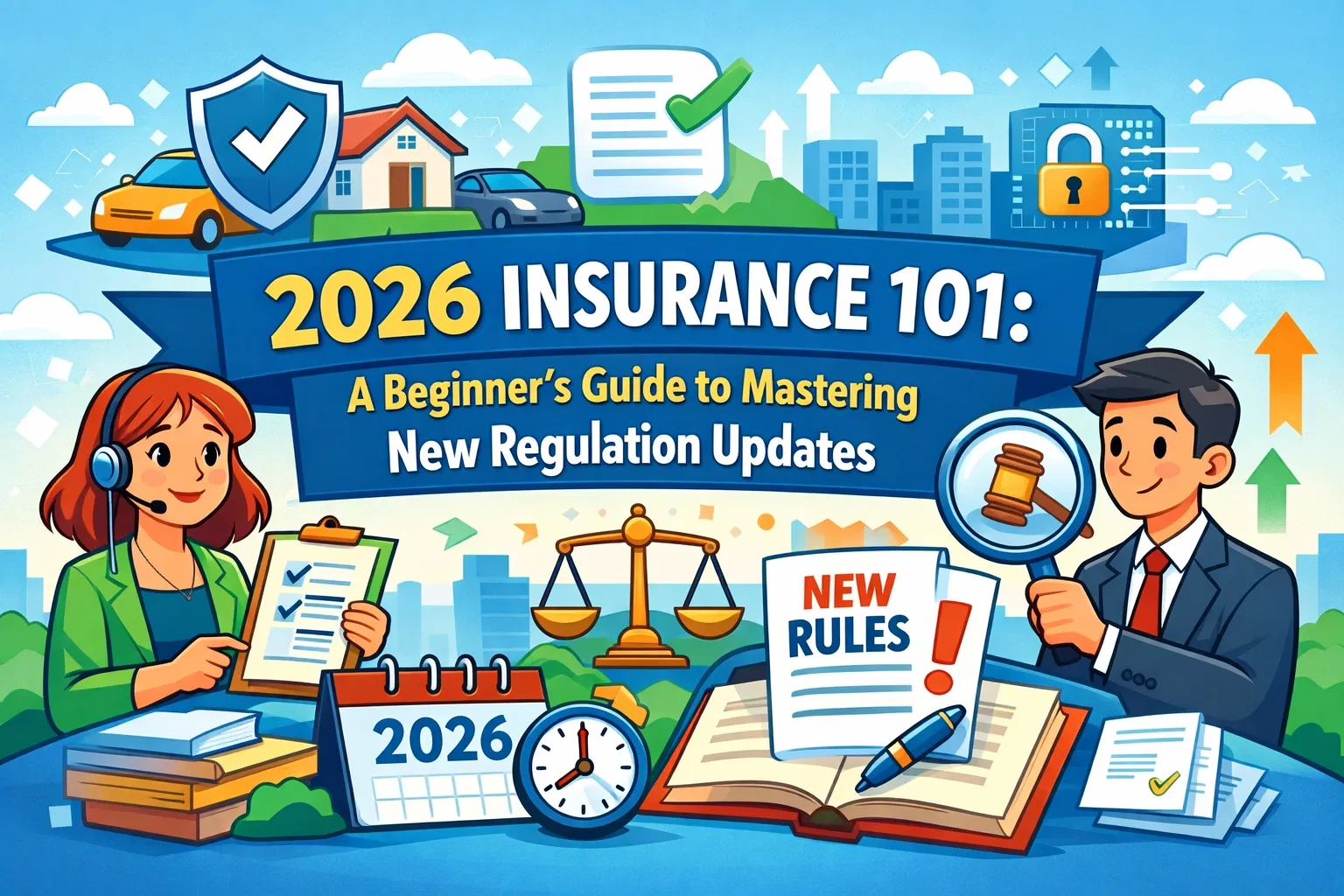
But here is the reality: 2026 is a massive year for the insurance industry. New regulations aren’t just red tape for the "big guys" in tall buildings; they directly impact your premiums, how your claims are handled, and what your policy covers.
At Eagle-Watch Solutions, we believe you shouldn’t need a law degree to protect your assets. This guide breaks down the most critical 2026 updates into simple, actionable insights you can digest over a cup of coffee.
Why 2026 is Different
For years, the insurance world moved slowly. However, the rise of artificial intelligence, shifting weather patterns in Texas, and new cybersecurity threats have forced regulators to move faster than ever. The National Association of Insurance Commissioners (NAIC) and state-level officials have spent the last year finalizing rules that go live in 2026.
These changes focus on transparency. Regulators want to make sure that if a computer decides your insurance rate, or if a carrier denies a claim based on new data, you have the right to know why.
1. The AI Revolution: Transparency in Underwriting
One of the biggest shifts involves how companies use technology to "grade" you as a risk. In the past, an underwriter: a human being: would look at your file. Today, algorithms do most of the heavy lifting.
In 2026, new NAIC frameworks require carriers to be much more open about their "third-party underwriting tools." If a carrier uses an AI model to determine that your roof is likely to fail or that your business is in a high-risk zone, they must be able to prove that data is accurate and unbiased.
For you, this means more accountability. If your rates spike unexpectedly, you have more leverage to ask for a free coverage review to ensure the data being used against you is actually correct.
Quick Takeaway: Your insurance company is now under the microscope regarding the "black box" algorithms they use. To learn more about how this affects you, check out our deep dive on NAIC AI updates.
2. Climate Resilience and the "Data Dividend"
Texas is no stranger to wild weather. From hailstorms in North Texas to hurricanes on the coast, the environment plays a huge role in our P&C (Property and Casualty) market.
In 2026, regulators are pushing "resilience-based metrics." Instead of just looking at where you live, carriers are being encouraged to look at what you’ve done to protect your property. This is often called the "Data Dividend."
If you have upgraded your commercial roof to withstand higher wind speeds or installed smart leak-detection systems in your home, 2026 regulations make it easier for carriers to apply discounts for these mitigations.
Quick Takeaway: Being proactive pays off. Don't just accept a high premium; ask your agent how resilience-based metrics can lower your commercial or home costs. We’ve covered this strategy extensively in our guide on lowering commercial premiums in 2026.

3. Texas-Specific Shifts: Cybersecurity and Liability
For our fellow Texans, there are specific legislative updates you need to watch. Texas SB 2610 and HB 2067 are two big ones. These laws focus on how businesses handle data and how they are protected: or exposed: during a lawsuit.
Cybersecurity is no longer "optional" for small business owners. If you store customer emails, credit card info, or even just basic contact details, 2026 regulations place a higher burden of proof on you to show you’ve taken steps to protect that data. The good news? Complying with these new rules can actually shield your business from certain types of "nuisance" lawsuits.
Quick Takeaway: Check your cyber liability limits. A basic policy from three years ago likely won't meet the standards required today. Review how Texas SB 2610 shields your business from modern cyber threats.
4. Addressing "Social Inflation"
You may have noticed that even if you haven't filed a claim, your rates are creeping up. This is often due to "social inflation." This refers to the rising costs of insurance claims caused by things like high jury awards and increased litigation.
Regulators in 2026 are attempting to balance this by introducing stricter capital and solvency requirements for carriers. This ensures that the insurance companies have enough cash on hand to pay out claims even in a volatile legal environment. While this keeps the industry stable, it can put upward pressure on premiums.
To counter this, many owners are moving toward a strategic afternoon plan to audit their policies and trim the fat.

5. Your 5-Minute Compliance Checklist
Knowing the rules is half the battle. Taking action is the other half. Here is a simple checklist for busy owners to stay ahead of the 2026 shifts:
Audit Your Tech: If your business uses any automated tools for customer data, ensure you are compliant with the new Texas privacy standards.
Update Your Property File: Have you made any upgrades (new roof, impact-resistant windows, security systems) in the last 12 months? Tell your agent.
Review Your Cyber Policy: Ensure your coverage explicitly mentions 2026 regulatory standards.
Check Your Limits: With inflation affecting the cost of materials and labor, "standard" limits from 2024 might leave you underinsured in 2026.
Consolidate: Sometimes "bundling" or surgical policy planning can offset the rate increases caused by new regulations.
The Bottom Line
2026 isn't about more paperwork; it's about better protection. The goal of these updates is to make the insurance market more transparent and resilient. Whether you are a small business owner in Austin or a family in Houston, these rules are designed to give you a clearer picture of what you are paying for.
At Eagle-Watch Solutions, we are here to help you navigate these shifts without the headache. You don't have to spend your weekend reading insurance journals: that's our job.
If you haven't looked at your policy in over a year, you are likely missing out on new credits or, worse, leaving yourself exposed to new regulatory risks.

Ready to get ahead of the curve?
Don't let the 2026 changes catch you off guard. A simple conversation can save you thousands in premiums and countless hours of stress.
Get quoted today or schedule a Free coverage review to see exactly where you stand.
To see the world transformed by Jesus Christ through the influence of coaches and athletes, we believe in serving our community with integrity and expert guidance. Let’s make sure your business and family are bulletproof for the years ahead.
Eagle-Watch Solutions www.eaglewatchsolutions.com Protecting what matters most in a changing world.
Comments