Beyond the Basics: Strategic Coverage Guidance for Growing Agencies
- gabeinsurancesolut
- 2 days ago
- 4 min read
It is Sunday, May 17, 2026, and the insurance landscape in Texas is shifting faster than the Houston weather. If you are running an agency or managing a growing book of business, you probably realized months ago that the "quote and hope" method is a relic of the past.
Growth in 2026 isn't just about finding more leads. It is about deepening the value you provide to the clients you already have. To scale effectively, you have to move beyond being a policy seller and step into the role of a strategic risk advisor.
At Eagle-Watch Solutions, we believe that when you protect a business correctly, you aren't just selling paper; you are securing the legacy of a family. Here is how to take your agency’s coverage guidance to the next level.
The Shift: From Broker to Risk Strategist
Most clients view insurance as a "necessary evil" or a tax on doing business. As a growing agency, your first job is to flip that script. A broker finds a policy; a strategist builds a fortress.
When you approach a client: whether they are a startup in Austin or a multi-generational construction firm in Dallas: you need to lead with a Formal Coverage Gap Analysis. This isn't a quick glance at their current declarations page. It’s a deep dive into:
Contractual Requirements: Are they taking on jobs that require specific endorsements they don't have?
Asset Evolution: Has the business bought new equipment or expanded into a new Texas territory without updating the schedule?
Emerging Risks: Are they prepared for the latest regulatory updates regarding AI and data?
By documenting these gaps, you move the conversation away from "Who has the lowest premium?" to "Who is actually going to keep me in business after a loss?"

Owning Your Niche in the Texas Market
You cannot be everything to everyone and expect to grow efficiently. Scaling requires a "Core Coverage Stack" tailored to specific industries.
In Texas, we see massive success when agencies focus on 1–3 primary niches. Think about construction trades, tech startups, or healthcare practices. For each niche, you should have a pre-built playbook that includes:
The Basics: GL, Property, Workers’ Comp, and Auto.
The "Value Add" Lines: Cyber, EPLI, and Professional Liability.
Target Limits: Default recommendations based on the client’s revenue or asset value.
When you speak the language of a specific industry, your "Strategic Coverage Guidance" feels like insider knowledge rather than a sales pitch. If you are looking for ways to protect small businesses specifically in our state, check out our guide on 10 ways to protect your family and assets in Texas.
High-Impact Coverages to Emphasize
To grow your agency's revenue and your client's protection, you need to look at the lines that are often neglected. These are your true differentiators.
1. Cyber Liability (The 2026 Essential)
In 2026, every business is a tech business. Whether they process credit cards or store employee data, the exposure is massive. Ransomware isn't just a "big company" problem anymore.
The Play: Use real-world Texas claim scenarios. Explain that a standard BOP rarely covers the full scope of a data breach.
2. Employment Practices Liability (EPLI)
With the workforce evolving, wrongful termination and discrimination claims are on the rise. For any Texas employer with more than 10 employees, EPLI shouldn't be an option; it should be a requirement.
3. Directors & Officers (D&O)
If your client has a board or outside investors, they have personal liability for management decisions. Positioning yourself as a D&O expert puts you in the room with the decision-makers, not just the procurement office.
4. Umbrella and Excess Liability
Verdicts are trending higher every year. Base limits of $1 million often aren't enough to cover a serious auto accident or a slip-and-fall at a commercial property.
The Play: Show the cost-to-value ratio. An extra $5 million in coverage is often surprisingly affordable compared to the peace of mind it provides.

Institutionalizing Strategic Renewals
Don't wait until 10 days before the expiration date to send a renewal notice. That is how you lose clients to the lowest bidder. A growing agency uses a 90-day cycle to reinforce their advisory role.
90 Days Out: Schedule a "Coverage Strategy Review."
60 Days Out: Identify any new exposures (new hires, new locations, new services).
30 Days Out: Present tiered recommendations.
By offering "Minimum," "Preferred," and "Ideal" coverage structures, you put the power in the client's hands. They are no longer "buying what you told them to buy"; they are making an informed decision about their own risk tolerance.
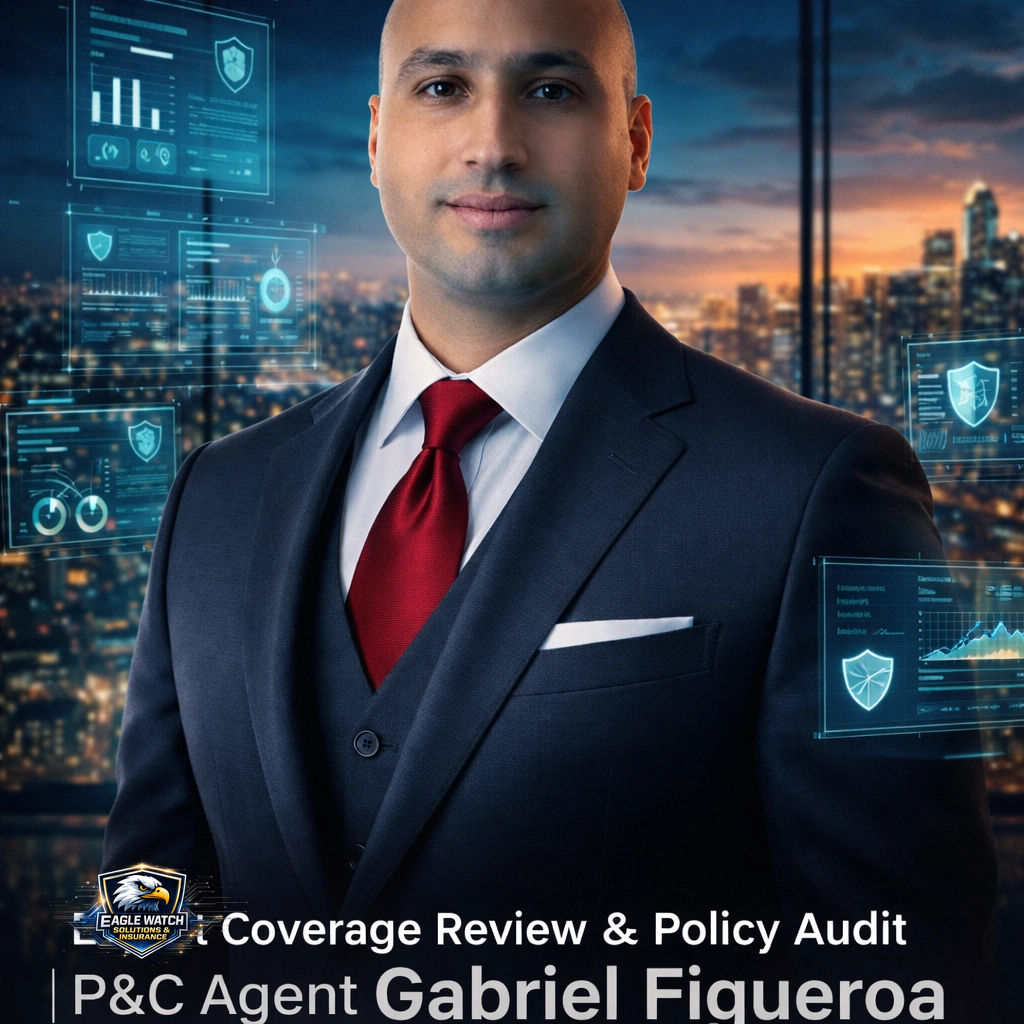
Using Data to Lower Premiums
In today's market, "resilience-based metrics" are becoming the gold standard for underwriting. We are seeing a trend where businesses that actively manage their risk: through safety training, better data security, and updated property maintenance: are rewarded with lower premiums.
Educate your clients on the data dividend. When you show them how a simple afternoon of risk management can fix their coverage mistakes, you aren't just their agent; you are their partner in profitability.
Quick Takeaways for Growth
Audit Early: Use a checklist for every renewal to prompt conversations about Cyber and EPLI.
Niche Down: Build a "Core Stack" for your top 3 industries so your team can quote with confidence.
Document Everything: When a client declines a recommended coverage, document it. This protects you and sets the stage for next year’s conversation.
Educate over Selling: Use your blog and resources to explain why coverage matters before the renewal meeting happens.
Moving Beyond the Basics
Growing an agency in 2026 requires a blend of high-tech tools and high-touch advisory. By focusing on strategic coverage guidance, you move away from the "commodity" trap. You aren't just another bill to pay; you are the reason the business stays afloat when things go wrong.
Whether you are looking to bulletproof your own business or help your clients secure their world, the process starts with a single strategic afternoon. Don't let your coverage stay in 2020 while your agency is living in 2026.
If you are ready to see where your current plan stands, we can help.
Get quoted today or reach out for a Free coverage review to ensure your agency is built for the long haul.
Visit us at www.eaglewatchsolutions.com to learn more about our partnerships and solutions.

Comments