AI Exclusions Explained: Is Your Small Business Leaving Money on the Table?
- gabeinsurancesolut
- May 11
- 5 min read
If you’re running a small business in Texas right now, odds are you’ve touched AI. Maybe you’re using ChatGPT to write client emails, an AI-driven tool to filter job applicants, or a smart algorithm to price your services. It’s efficient, it’s fast, and it’s the future.
But here is the Sunday morning reality check: your insurance policy might still be living in 2019.
As we navigate 2026, the gap between what AI can do and what your insurance covers is widening. Standard policies are increasingly adding "AI Exclusions." These are the tiny lines of fine print that say, "If a robot caused this mess, you're on your own."
At Eagle-Watch Solutions, we’re seeing business owners unintentionally leaving money on the table: not because they lack talent, but because they lack the right coverage for the tools they use every day.
Let’s break down what these exclusions look like and how you can fix them before they become a six-figure headache.
What Exactly is an AI Exclusion?
Think of an exclusion as a "no-go zone" for your insurance carrier. When AI first hit the scene, many carriers weren't sure how to price the risk. Their solution? Exclude it entirely.
An AI exclusion typically states that the policy will not cover claims resulting from the use of "artificial intelligence," "machine learning," or "automated decision-making systems."
If you’re a Texas contractor using an AI tool to estimate project costs and it misses a decimal point: leading to a massive financial loss: your standard General Liability policy might point to that exclusion and walk away.
Why Carriers Are Nervous
Insurance is all about predicting the future based on the past. Because generative AI is so new, there isn't decades of data for carriers to look at. They see "unpredictable risks," and their natural instinct is to opt-out.

The Three Big Risks You Might Not Be Covered For
Many business owners assume their "Cyber Insurance" or "General Liability" handles everything digital. That’s a dangerous assumption. Here are the three areas where AI exclusions hit the hardest.
1. The "Biased Bot" (Employment Practices)
If you use AI to screen resumes for your growing Austin startup, you might be saving hours of work. But what if that AI inadvertently discriminates against a certain demographic?
If a candidate sues for bias, your Employment Practices Liability Insurance (EPLI) is supposed to kick in. However, many new 2026-era policies specifically exclude claims involving "automated employment decision tools." Without a specific endorsement, you’re paying for legal fees out of your own pocket.
2. The Data Privacy Trap
AI thrives on data. If you feed customer information into a public AI tool to generate a report, you might have just violated a dozen privacy laws without realizing it.
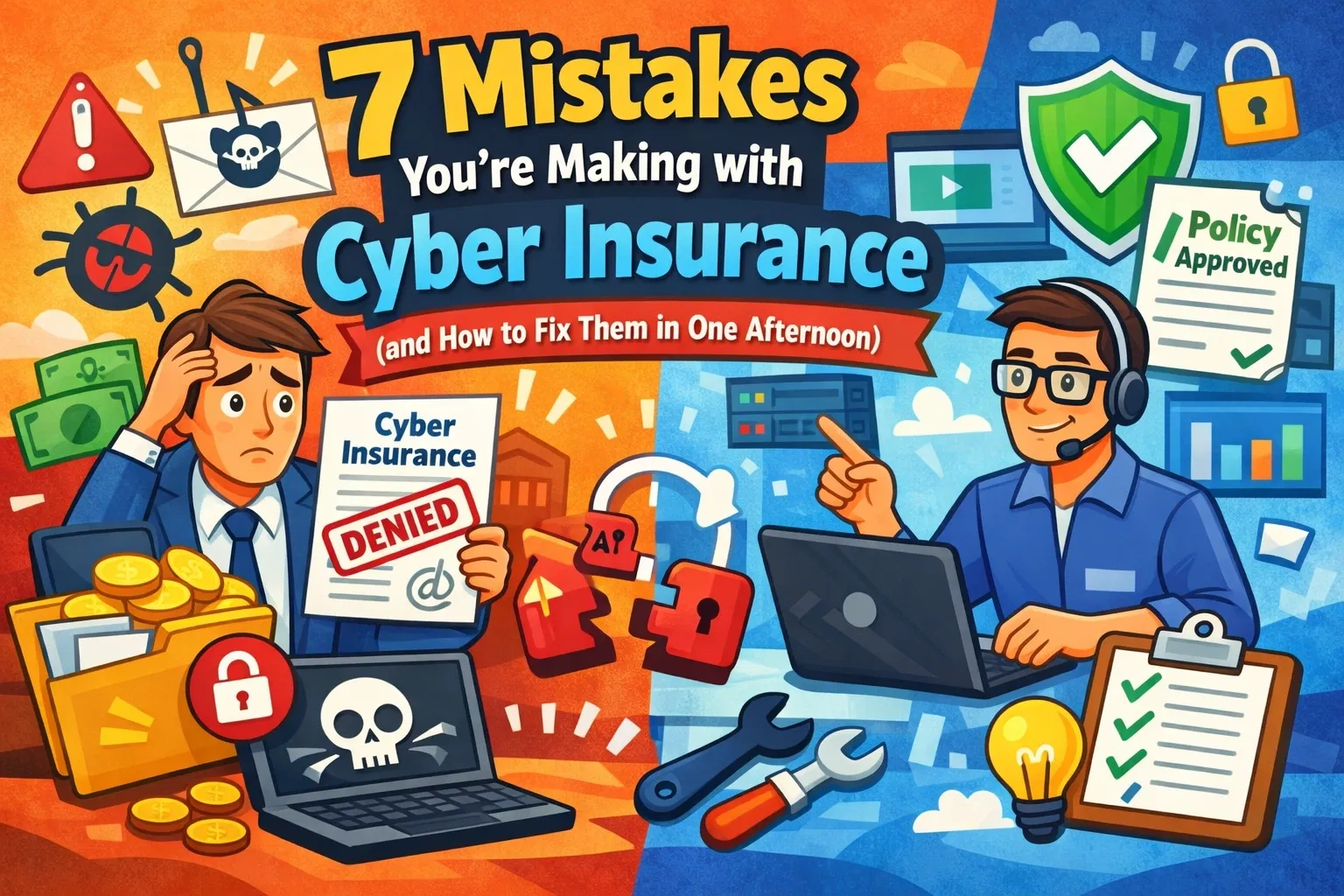
Standard cyber policies often cover "hacks" (someone breaking in), but they may exclude "intentional acts of data processing" via AI. We’ve covered this in our guide on 7 mistakes you’re making with cyber insurance, and AI is now the leading cause of these gaps.
3. Professional Errors (E&O)
If your business provides advice or services: like accounting, real estate, or consulting: and you use AI to generate that advice, you’re in the crosshairs of Professional Liability (Errors & Omissions).
If the AI hallucinates a fact or provides an incorrect legal citation that costs your client money, the "AI Exclusion" in your E&O policy could leave you totally exposed.
How You’re "Leaving Money on the Table"
When we talk about leaving money on the table, we aren't just talking about unpaid claims. We’re talking about Business Resilience.
Uninsurability: If you have an uncovered AI claim today, you may become uninsurable tomorrow. Carriers share data. One bad incident could make your premiums skyrocket across the board.
Contractual Defaults: Many of your clients likely require you to have "adequate insurance." If your policy has a broad AI exclusion and you use AI to fulfill that contract, you might technically be in breach of contract.
Wasted Premiums: Paying for a policy that doesn't cover your actual operations is essentially a 100% loss on that investment. You want your premium dollars to buy you peace of mind, not just a piece of paper.
You can learn more about how to navigate these changing rules in our breakdown of new 2026 insurance rules.
Strategic Steps for the Texas Business Owner
You don't need to stop using AI. You just need to start managing the risk like a pro. Here is your actionable checklist:
Step 1: Audit Your AI Usage
Sit down with your team. Ask: "Where are we using AI?"
Is it in our marketing?
Is it in our HR/hiring?
Is it in our core service delivery?
Is it in our security systems?
Step 2: Search for the "AI Keyword"
Grab your current policy (or have us do it). Search the "Exclusions" section for words like Artificial Intelligence, Algorithm, Automated, Machine Learning, or Generative. If you see them, it's time for a conversation.
Step 3: Request an "AI Endorsement"
In many cases, you can add coverage back in. An endorsement is a "rider" that modifies your policy to include specific AI-related risks. It might cost a little more, but it’s significantly cheaper than a $50,000 legal defense bill.
Step 4: Update Your Terms of Service
Make sure your clients know you use AI tools and outline the limitations of those tools. Transparency is your first line of defense.
The Modern Agent’s Perspective
The insurance world is changing fast. In the past, you could buy a policy and forget about it for a year. In 2026, tech moves faster than policy cycles.
At Eagle-Watch Solutions, we believe in being proactive. We don't just want to sell you a policy; we want to make sure that policy actually works when you need it. Whether you are navigating climate risk crises or AI mandates, the goal is the same: protection that makes sense for your specific business.
Quick Takeaways
Check the Fine Print: Standard GL and Cyber policies are increasingly excluding AI-related claims.
Identify Your Gaps: Hiring, data privacy, and professional advice are the highest-risk areas for AI exclusions.
Don't Settle for Defaults: Ask for specific endorsements to cover your tech stack.
Get a Review: A professional audit is the only way to know for sure if you're covered.
Next Steps for Your Business
Don't wait for a claim to find out you're uncovered. The Texas market is competitive, and the last thing you need is a preventable financial hit.
We offer two ways to get started:
Get quoted today: If you feel your current policy is outdated or too expensive for what it offers, let's see what else is out there. Get a quote here.
Free coverage review: Send us your current policy. We’ll look for those sneaky AI exclusions and tell you exactly where your gaps are. No pressure, just education. Contact us here.
For more insights on how tech is changing the industry, check out our post on why AI claim assistants are changing the game.
Stay safe, stay smart, and let’s make sure your insurance is as innovative as your business.
Gabriel Figueroa Eagle-Watch Solutions www.eaglewatchsolutions.com
Comments