Your Quick-Start Guide to Risk Management: Do This First to Secure Your Future Simply
- gabeinsurancesolut
- May 27
- 5 min read
Risk management usually sounds like a boardroom topic: something for people in suits with giant spreadsheets. But here’s the truth: if you own a home, run a small business, or just want to make sure your family is safe from a sudden storm or a digital hack, you’re already in the business of risk management.
In Texas, we deal with a unique blend of "big" risks. One day it’s a record-breaking hailstorm in North Texas, and the next, it’s a sophisticated phishing attempt hitting your local business’s inbox.
The goal of this guide isn’t to make you an expert actuary. It’s to give you a simple, "do-this-first" roadmap to secure your future without the headache. Let’s break down how to protect what matters most with a practical, strategic approach.
Why Risk Management Matters in the Lone Star State
Everything is bigger in Texas: including the potential for things to go sideways. From the Gulf Coast’s hurricane season to the unpredictable deep freezes and the high-tech hubs in Austin and Dallas, our risks are diverse.
Risk management is simply the process of identifying what could go wrong and deciding how to handle it before it happens. You have four choices when facing a risk:
Avoid it: Don't engage in the activity (e.g., don't build a house in a flood zone).
Reduce it: Take steps to make the risk less likely or less damaging (e.g., install a security system).
Accept it: Decide the risk is small enough that you'll just deal with it if it happens.
Transfer it: This is where insurance comes in. You pay a premium so a company takes on the financial burden for you.
For most families and businesses, a mix of reducing and transferring is the sweet spot.
Step 1: Identify What You’re Actually Protecting
Before you buy a policy or install a firewall, you need to know what’s on the line. Most people jump straight to "I need insurance" without realizing what they are actually trying to shield.
The Asset Audit
Take 10 minutes this afternoon and list your top 5–7 critical assets. Don't overthink it. Common ones include:
People and Income: Your ability to work or your business’s daily cash flow.
Data: Customer records, private family photos, financial logins, and intellectual property.
Physical Assets: Your home, your office space, specialized equipment, or your fleet of vehicles.
Operations: Your ability to actually "do" your job or run your business if your building is inaccessible.
Knowing these helps you spot the gaps. If your biggest asset is your digital data, but your only insurance is for your physical building, you have a major vulnerability.
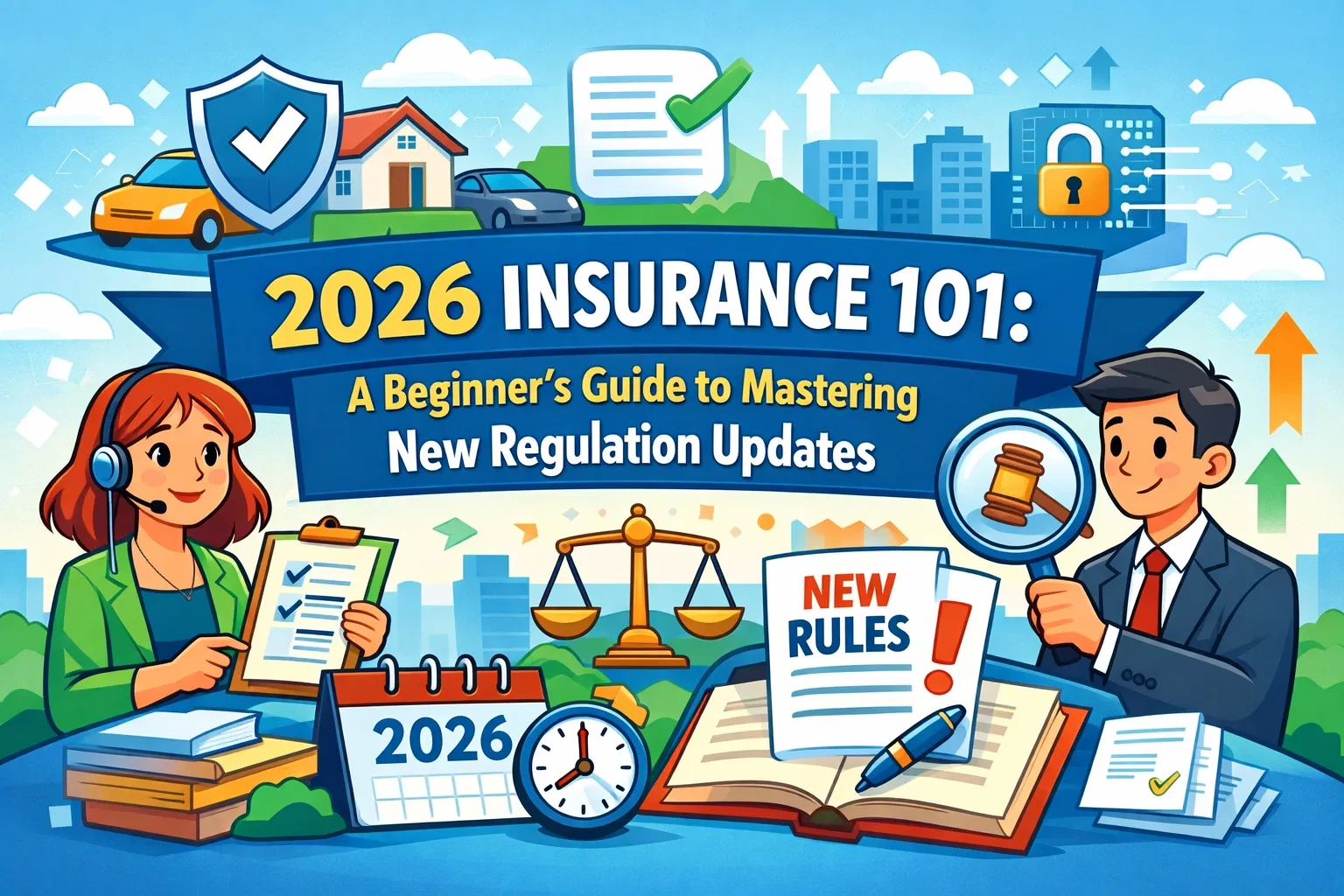
Step 2: Mapping the Big Two - Climate and Cyber
In 2026, two categories of risk are dominating the conversation for Texas families and business owners: Climate and Cyber.
Texas Climate Risks: Beyond Just the Heat
We all know about the heat, but for your insurance and safety planning, the real threats are often wind, hail, and water. Texas sees some of the highest insurance claims in the country for hail damage.
Climate risk isn't just about the physical damage to your roof; it's about Business Interruption. If a storm takes out the power grid or blocks access to your storefront, how long can you survive without revenue? Many property policies have specific nuances regarding "perils" like wind and hail, and understanding these carrier trends is essential for staying protected.

The Cyber Landscape: Protecting Your Digital Front Door
Cyber insurance used to be for big tech companies. Not anymore. If you store customer emails, take credit card payments, or even just use a laptop for work, you are a target.
In Texas, we’ve seen a massive rise in Business Email Compromise (BEC). This is where a hacker pretends to be a vendor or a boss and asks for a wire transfer. Standard "theft" insurance often won't cover this because you technically authorized the transfer: that’s why specific cyber liability is a must.
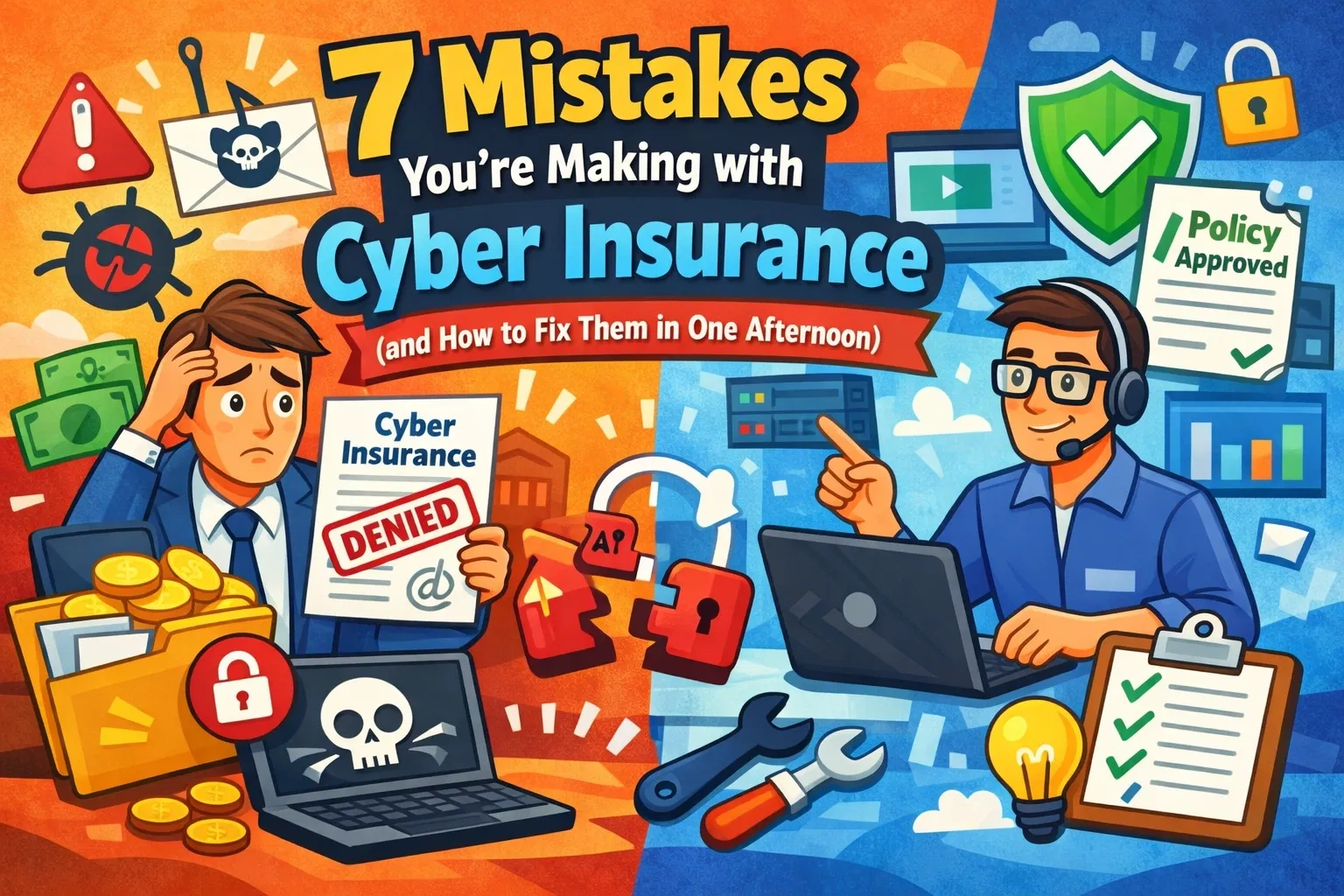
Step 3: The "No-Regret" Controls (Do These Today)
You don’t have to spend a fortune to significantly lower your risk. These are what we call "no-regret" moves because they help you regardless of whether you ever file a claim. Plus, they often make you more "insurable," which can lead to better rates.
Multi-Factor Authentication (MFA): If you don't have this on your email and bank accounts, stop reading and go set it up. It is the single most effective way to stop 90% of common cyberattacks.
The 3-2-1 Backup Rule: Keep 3 copies of your data, on 2 different types of media, with 1 copy stored offsite (or in the cloud). This protects you from both a hacker's ransomware and a physical fire.
Patch Management: When your phone or computer says "Update Available," do it. Those updates usually include security fixes for vulnerabilities that hackers are already exploiting.
A Simple Disaster Plan: If your office flooded tomorrow, where would you work? Who would you call first? Having a simple 5-minute safety plan written down takes the panic out of a crisis.
Step 4: Using Insurance as Your Safety Net
Once you’ve reduced what you can, it’s time to transfer the rest.
Cyber Liability
A good cyber policy in Texas should cover more than just "hacking." Look for:
First-Party Coverage: Pays for forensics (finding out how they got in), notifying customers, and recovering lost data.
Third-Party Liability: Protects you if a customer sues you because their data was stolen from your systems.
Ransomware Coverage: Helps navigate the complex (and often legal) world of dealing with digital extortion.
Property and Business Interruption
Don't just look at the "replacement cost" of your building. Ensure your policy includes Business Interruption or Loss of Use. This pays for your lost income and ongoing expenses (like payroll) while your home or office is being repaired after a covered event.
In the Texas market, keep an eye on your deductibles for "Wind/Hail." These are often separate from your standard deductible and can be a surprise if you aren't prepared.
Your One-Page Risk Management Checklist
If you do nothing else, follow these five steps to get your risk management off the ground:
List your critical assets (People, Data, Physical, Ops).
Identify your top 2 threats for each (e.g., Hail and Ransomware).
Turn on MFA for all financial and email accounts.
Confirm your backups are running and actually work.
Schedule a professional review to see if your current coverage matches your 2026 reality.

Quick Takeaways
Start Small: You don't need a 50-page manual. A one-page list is enough to start.
Texas Specifics: Pay attention to wind/hail deductibles and the rising cost of property insurance in our state.
Cyber is Essential: It's no longer optional for small businesses or families with significant digital footprints.
Review Yearly: Your life and business change; your risk strategy should too. Use a simple trick to spot risk before it hits your wallet.
Risk management isn't about living in fear. It’s about building a foundation so that when the unexpected happens, you can bounce back faster than the competition. Whether you're protecting your family home in the suburbs or a growing agency in the city, the time to plan is now.
Ready to see where you stand? Don't wait for the next storm or a "suspicious login" alert. Take a proactive step today to secure your peace of mind.
Visit us at www.eaglewatchsolutions.com to learn more about how we deliver surgical insurance insights for your specific needs.
Comments