The Roadmap to a Fully Automated Insurance Agency by 2027
The insurance landscape is shifting faster than a Texas thunderstorm. If you’re still manually data-entering ACORD forms or spending your afternoons chasing down loss runs, 2027 is going to feel like a very different era.
At Eagle-Watch Solutions, we believe the next three years aren’t just about "using more tech": they’re about a total structural shift. By 2027, the most successful agencies in the Lone Star State won't just be using AI; they will be built around it.
This guide is your strategic roadmap to transition from a manual, "reactive" agency to a fully automated, "proactive" powerhouse.
Why 2027? The "Automation Cliff"
We are currently in a transition period. Carriers are already modernizing their core policy systems, and regulators at the Texas Department of Insurance are beginning to look closely at how AI and automation affect market stability.
Agencies that don't automate now will hit a "complexity wall" where manual labor costs simply outweigh the revenue generated by traditional commissions.
Quick Takeaway: Automation is no longer a luxury for big brokers: it’s a survival requirement for every local Texas agency.
Phase 1 (2024–2025): Building the Foundation
Before you can fly, you need to clear the clutter. Most agencies lose 10–15 hours per week per producer on repetitive tasks. Phase 1 is about capturing that time back.
1. The High-Impact Quick Wins
Start with the "low-hanging fruit." These are tasks that are repeatable, time-consuming, and prone to human error.
ACORD Form Auto-fill: Use tools that pull data directly from your CRM or AMS to populate forms. This alone can save 2–5 hours a week.
Loss Run Summarization: Instead of manually reading through pages of loss history, use AI to summarize the key data points for your submission.
Renewal Outreach: Set up automated email and SMS sequences that trigger 60–90 days before a policy expires.
2. Strengthening Your Core Stack
You can't automate on top of "dirty data." Spend the next 12 months ensuring your Agency Management System (AMS) and CRM are communicating properly. If your systems don't "talk" to each other, you’ll end up with automation silos that create more work, not less.

Read more on streamlining AI automation in your agency.
Phase 2 (2025–2026): Integrating the Ecosystem
Once your foundation is solid, it’s time to scale. By 2026, automation should handle the majority of your back-office "paperwork."
1. Automated Policy Checking
One of the most tedious tasks in a commercial agency is comparing a binder to the original quote. AI-driven policy checking tools can now extract data from both documents and flag discrepancies in seconds. This reduces E&O risk significantly: a major win for any Texas agency owner.
2. Digital Customer Portals
Texas clients, especially in fast-growing metros like Austin and Dallas, expect self-service. Your agency should provide a portal where clients can:
Download Certificates of Insurance (COIs).
Request simple endorsements.
View their policy documents without calling your office.
3. Compliance on Autopilot
As we move into 2026, staying ahead of regulation updates is critical. Whether it’s changes to ACA penalties or new property disclosure requirements in Texas, automation can help track these shifts.
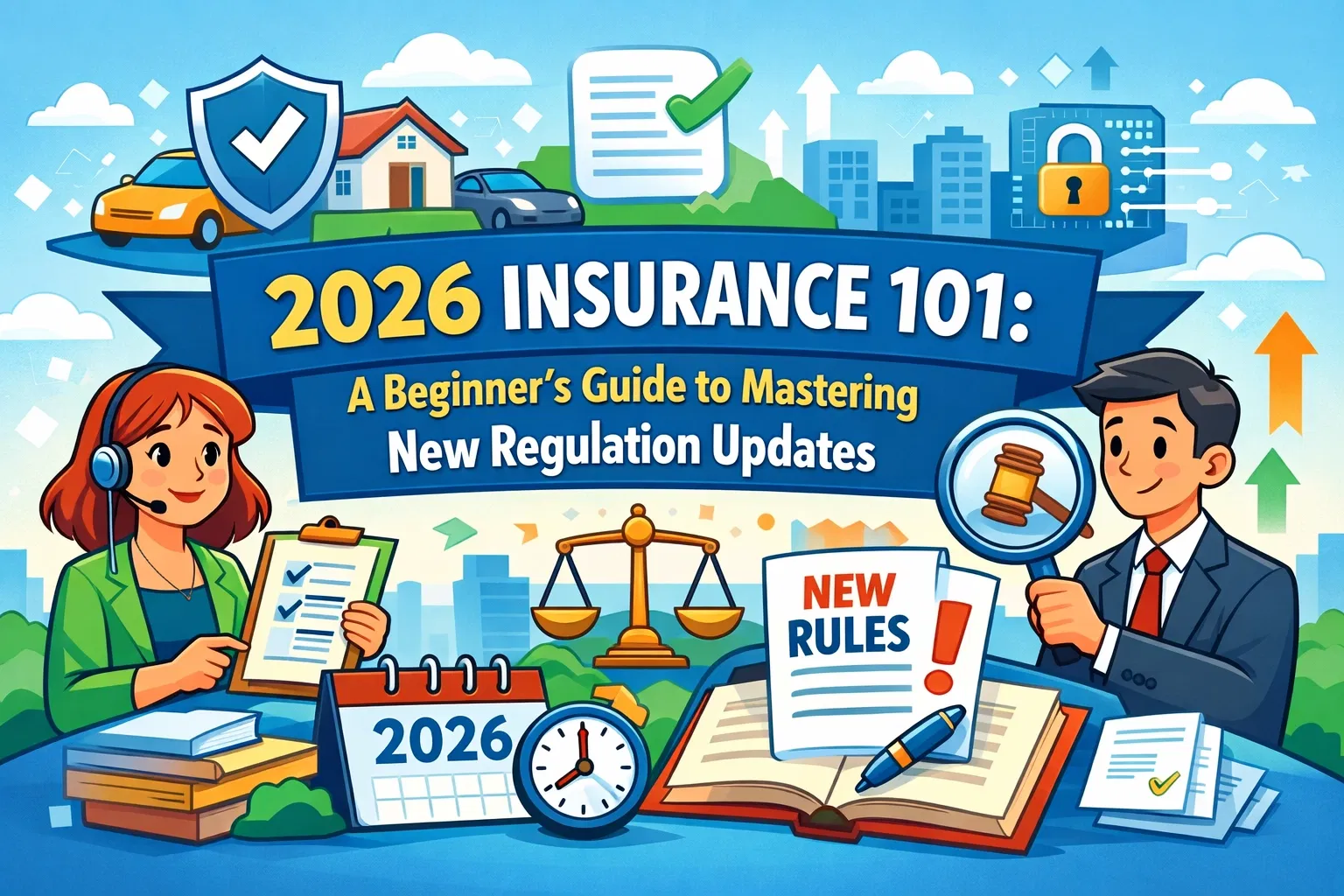
Need a refresher? Check out our guide on mastering 2026 regulation updates.
Phase 3 (2026–2027): AI-First Operations
By 2027, the goal is "Human-AI Collaboration." This isn't about replacing your staff; it’s about giving them superpowers.

1. Predictive Analytics for Retention
Instead of waiting for a cancellation notice, your system will use predictive analytics to flag "at-risk" clients. If a client’s premium in a specific Texas zip code is rising faster than the market average, the AI flags it, allowing your agent to reach out with a re-shop before the client even looks elsewhere.
2. Carrier Appetite Matching
Stop wasting time on submissions that get declined. AI can read your prospect’s risk profile and instantly match it against current carrier appetites. This is especially vital for Texas business owners dealing with complex commercial lines.
3. Redefining the Agent Role
In 2027, your producers shouldn't be "data collectors." They should be "Strategic Risk Advisors." The AI handles the speed and scale; the human handles the judgment and relationships.

The Texas Context: Why Local Knowledge Still Wins
While the tech is global, the risks in Texas are local. Automation helps you manage the volume, but your expertise in the Texas market is what closes the deal.
CAT-Exposed Property: With increasing storm risks, using automation to provide quick, accurate property valuations is a game-changer.
Regulatory Governance: The Independent Insurance Agents of Texas (IIAT) often highlights that while tech is great, compliance with local laws is non-negotiable. Your automated systems must have clear audit trails to satisfy state examiners.
Quick Summary for Agency Owners
2024: Clean your data and automate ACORD forms.
2025: Launch a client portal and automate renewal sequences.
2026: Implement AI policy checking and automated compliance tracking.
2027: Use predictive analytics to drive retention and scale your growth.
The road to 2027 is paved with data. If you start building today, you won't just survive the transition: you’ll lead it.
Ready to see where your coverage stands before you automate?
Get quoted today
Free coverage review
For more surgical insurance insights, visit us at www.eaglewatchsolutions.com.
Comments