Texas Insurance Update: New Small Business Liability Rules for 2026
If you’re running a business in Texas, you already know that the ground moves under your feet. From the weather to the economy, things change fast. But for 2026, the biggest shifts aren’t happening in the sky: they’re happening in your insurance policy.
As we move deeper into 2026, "standard coverage" is becoming a thing of the past. Regulation is tightening, and the burden of liability is shifting from insurance carriers directly onto the shoulders of business owners. At Eagle-Watch Solutions, we’re seeing a new landscape where "I think I’m covered" is a dangerous gamble.
Here is what every Texas small business owner needs to know about the 2026 liability shifts and how to stay ahead of the curve.
The Big Auto Shift: New Minimums on the Horizon
One of the most immediate changes affecting Texas businesses in 2026 is the adjustment of commercial auto liability limits. For years, many small businesses operated with the bare minimum. In 2026, those minimums are evolving.
Industry trends and regulatory discussions have pushed the standard toward a "50/100" model: meaning $50,000 for bodily injury per person and $100,000 per accident. While the Texas Department of Insurance (TDI) continues to update its rulebooks, the market has already pivoted.

Why this matters for your fleet:
Compliance is mandatory: If your business owns or even just uses vehicles (like a delivery van or a sales car), your commercial auto policy must meet these updated statutory minimums.
The Cost of "Just Enough": With medical costs in Texas rising, a $30,000 limit from 2024 won't cover a serious accident in 2026. If your policy is outdated, you’re personally liable for the difference.
Lender Requirements: If you have business loans or equipment leases, your lenders will likely demand these higher limits before you can renew your contracts.
Quick Takeaway: Check your commercial auto policy today. If you're still on the old 30/60 limits, you're likely out of step with 2026 standards.
The Underwriting "Gotchas": Documentation is Your New Shield
In 2026, insurance companies aren't just looking at your industry; they’re looking at your habits. We call this the "underwriting shift." Carriers are becoming much stricter about how they handle claims.
Years ago, a General Liability policy was a safety net. Today, it’s a partnership that requires proof. If you don't have documented safety protocols, employee training logs, or regular equipment maintenance records, a carrier might have grounds to limit or even deny a claim.
The new rules of engagement:
Safety Warranties: Many 2026 policies include "warranties" or conditions. For example, if you're a contractor, your policy might require you to collect certificates of insurance from all subcontractors. If you miss one, your own coverage could be voided for that job.
Maintenance Proof: For premises liability (slips and falls), insurers now want to see digital logs of floor cleanings or exterior inspections.
The Paper Trail: In the eyes of a 2026 adjuster, if it isn’t documented, it didn't happen.
This shift means the practical liability has moved back to you. You are responsible for proving you followed the rules before the insurance company writes the check.
Contractual Liability: The Fine Print is Getting Finer
We’re seeing a massive trend in Texas where landlords, vendors, and large clients are shifting their risk onto small businesses through "Indemnity Clauses" and "Additional Insured" requirements.
When you sign a new lease or a vendor agreement in 2026, look closely at the insurance section. Many contracts now demand that your insurance covers their mistakes.

What to watch for:
Blanket Additional Insured: Clients want to be added to your policy automatically. If your policy doesn't have a "Blanket" endorsement, you have to manually add every single client, which is a recipe for missed coverage.
Waiver of Subrogation: This prevents your insurance company from suing a third party to get their money back. It's common in Texas construction and retail leases, but if your policy doesn't allow it, you could be in breach of contract.
Contractual Gaps: If your contract says you have $2 million in coverage but your policy only has $1 million, you are personally on the hook for that second million.
For more on navigating these specific rules, check out our Texas small business insurance guide for 2026.
Cyber and Employment: The "New Mandatory"
While Texas law doesn't technically require you to have Cyber Liability or Employment Practices Liability Insurance (EPLI), the 2026 regulatory environment makes them essential.
Texas has updated its data privacy expectations. If you hold customer data: even just emails and credit card info: you are legally responsible for its safety. A data breach in 2026 isn't just a tech headache; it’s a liability nightmare involving state regulators.
Similarly, EPLI (which covers harassment, wrongful termination, and discrimination) is no longer optional for businesses with more than a few employees. Legal fees for a single "he-said, she-said" lawsuit can bankrupt a small shop before it ever reaches a courtroom.
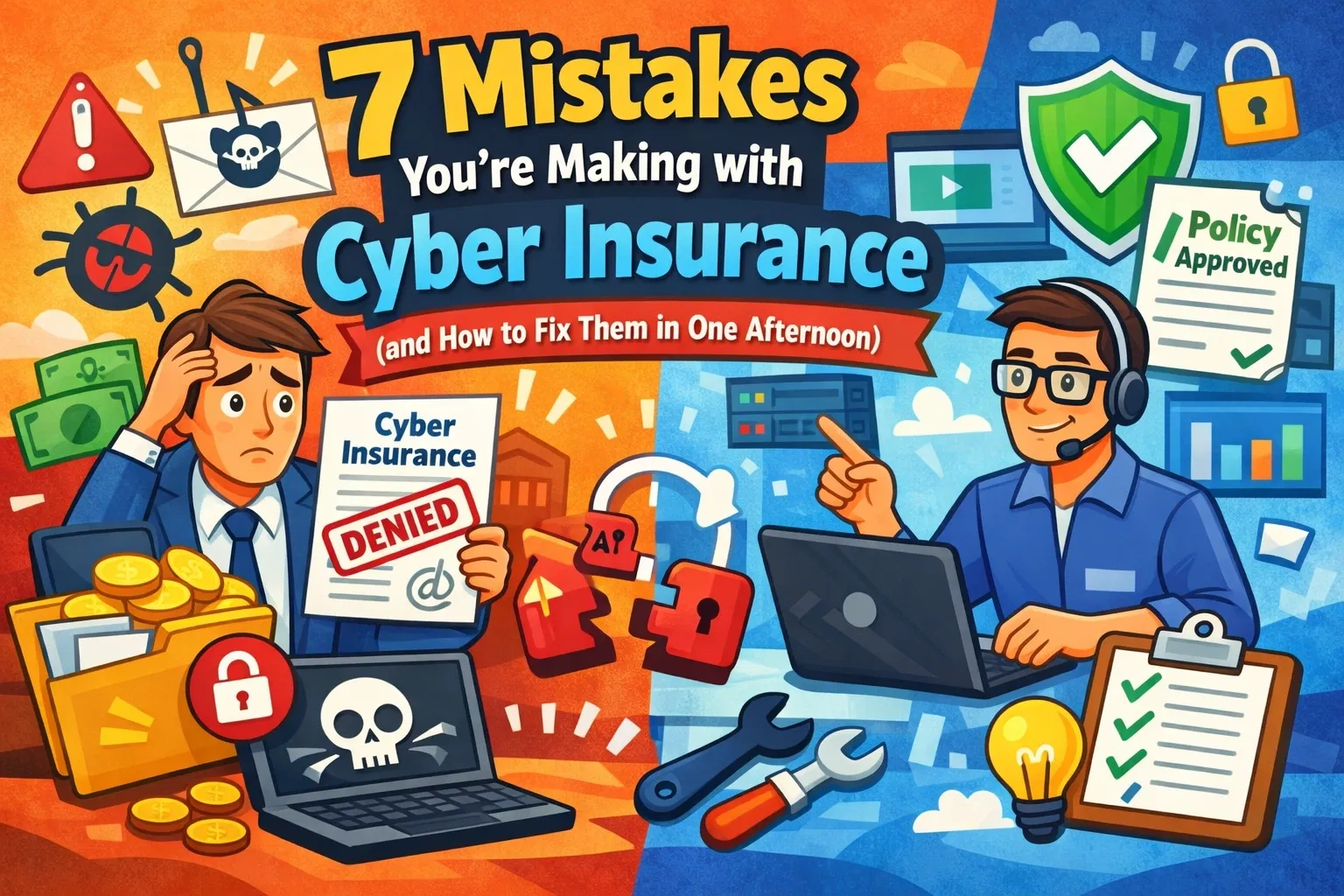
Standard General Liability policies almost always exclude these risks. Relying on a basic policy is like wearing a raincoat in a hurricane; it protects your clothes, but your feet are still underwater. You can read more about why standard policies aren't enough for cyber liability here.
Your 2026 Liability Checklist
Don't wait for a claim to find out where your gaps are. Use this punchy checklist to audit your protection:
Auto Limits: Are you at 50/100 or higher?
Subcontractors: Do you have a process to collect and store their insurance certificates?
Lease Review: Does your policy limit match what your landlord requires?
Cyber Check: Do you have a standalone Cyber policy, or just a small "rider" on your GL?
Safety Logs: Are your training and maintenance records digitized and up to date?
For a deeper dive, take a look at our full 2026 small business coverage checklist.
How Eagle-Watch Solutions Helps
Navigating the 2026 liability shifts doesn't have to be a full-time job. At Eagle-Watch Solutions, we deliver surgical insurance insights specifically for the Texas market. We don't just sell policies; we help you navigate the complex regulations and market shifts that impact your real-world decisions.

We focus on risk-first thinking. Whether you are an agency owner looking to grow or a family business trying to protect your legacy, we provide the strategic guidance needed to keep you growth-aligned and fully protected.
Secure Your Business Today
The rules of the game have changed for 2026. Is your business ready to play by them? Don't leave your hard work exposed to shifting regulations and stricter underwriting.
Get quoted today to see how the new 2026 limits affect your bottom line.
Free coverage review to identify the hidden gaps in your current contracts.
Visit us at www.eaglewatchsolutions.com to stay informed and prepared for whatever 2026 throws your way.
Comments